


Top ten mistakes you are probably making with Mind Maps.
Introduction

Ever feel like you’re putting in the effort but your Mind Maps still aren’t working the way you expected?
You might already be using colour, following the core structure, and applying keywords, but if your Mind Maps aren’t helping you think faster, recall information more effectively, or boost creativity, something is off.
Or maybe you’ve mastered the basics, but you’ve hit a plateau—your maps are looking good, but they’re not delivering real, game-changing results.
The truth is, Mind Mapping isn’t just about drawing branches—it’s about harnessing your brain’s full potential. And along the way, it’s very easy to make mistakes that limit your progress.
I’ve taught thousands of people how to master Mind Mapping, and in the process, I’ve seen the same common mistakes over and over.
In this post, I’m breaking down 10 of the biggest mistakes people make with Mind Mapping—and exactly how to fix them.
Mistake #1: Using Too Many Words 📝
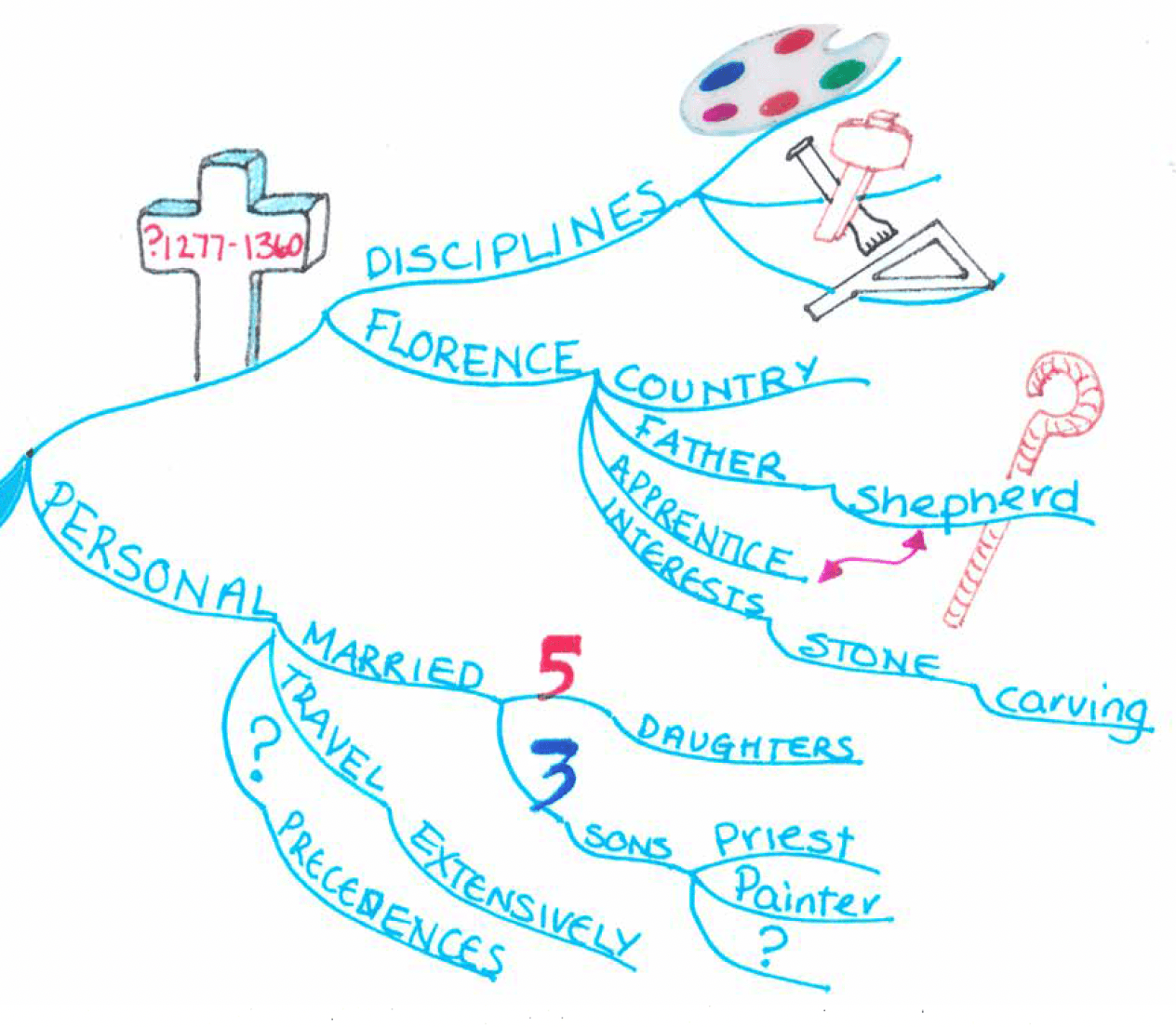
One of the biggest mistakes beginners make is writing full sentences instead of using keywords.
Why is this a problem?
🚨 Your Mind Map turns into a glorified essay rather than a visual thinking tool
🚨 You slow yourself down and waste valuable time writing instead of thinking
🚨 Your brain struggles to recall long phrases compared to sharp, punchy keywords
How to Fix It:
✅ Stick to single keywords—they’re easier to recall
✅ Use symbols and images instead of long descriptions
✅ Challenge yourself: Cut your text in half—then cut it again!
Mistake #2: Making It Too Cluttered 🎯

Ever looked at a Mind Map and thought, “Where do I even start?”
If your Mind Map looks crowded, chaotic, or hard to read, it’s working against you instead of for you.
How to Fix It:
✅ Limit your main branches to 6-7 core ideas
✅ Use different colours to separate sections and keep things visually clear
✅ Space your branches evenly to avoid overlapping or cramped writing
Mistake #3: Skipping the Central Image 🎨

Your brain thinks in images, not words—yet many people skip drawing a central image and just write a title instead.
Why is this a problem?
⚠️ You lose the power of visual memory, making recall harder
⚠️ Your brain doesn’t make as strong a connection to the information
⚠️ Your Mind Map loses its creative spark
How to Fix It:
✅ Always draw a central image to activate both sides of the brain
✅ Keep it simple but bold—it doesn’t need to be artistic, just memorable
✅ If you struggle with drawing, use symbols or simple icons
Mistake #4: Using the Wrong Colours 🌈
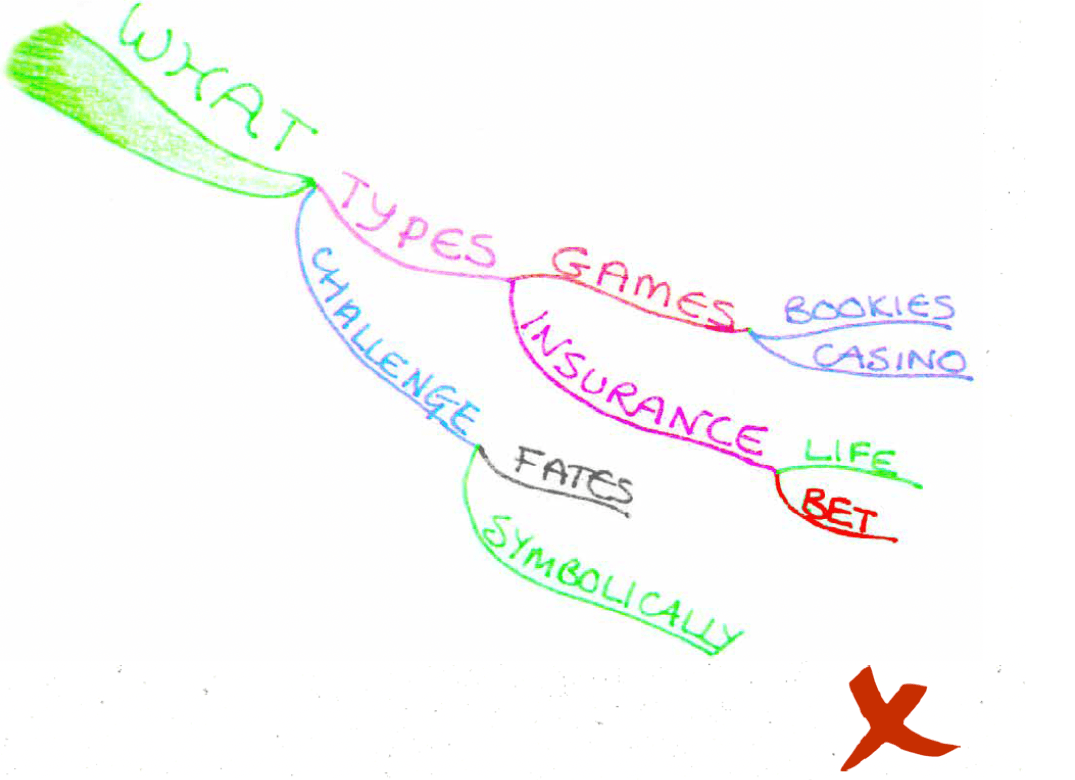
Mind Maps aren’t meant to be black and white—they should be visually engaging.
But using too many random colours can distract rather than enhance clarity.
How to Fix It:
✅ Use one colour per branch to group information logically
✅ Stick to bright, high-contrast colours that are easy to distinguish
✅ Avoid overloading with too many different shades—keep it simple!
Mistake #5: Not Structuring Your Branches Properly 🔄

A Mind Map isn’t just about putting information anywhere—it should follow a clear flow of ideas.
What goes wrong?
❌ Branches go in random directions, making the map harder to read
❌ Important information gets buried under less relevant details
❌ The Mind Map doesn’t flow logically, so recall becomes difficult
How to Fix It:
✅ Make sure your main branches radiate out evenly from the centre
✅ Organise ideas from broad to specific—big concepts first, details second
✅ Keep your branches curved, not straight to mimic natural brain pathways
Mistake #6: Forgetting to Use Images & Symbols 🖼️

Mind Mapping isn’t just about words—symbols, icons, and small illustrations help your brain process information faster.
How to Fix It:
✅ Add small images to represent key ideas
✅ Use arrows, icons, and shapes to create connections
✅ Replace common words with symbols—a clock for ‘time’, a lightbulb for ‘idea’
Mistake #7: Not Reviewing or Revisiting Your Mind Maps 🔄

Many people create a Mind Map once and then never look at it again.
But Mind Maps should be living documents—regularly reviewed, updated, and used.
How to Fix It:
✅ Revisit your Mind Maps weekly to reinforce your learning
✅ If you’re using a study map, test yourself by covering parts of it
✅ Add new insights or updates—your Mind Map should evolve over time!
Mistake #8: Mind Mapping Everything the Same Way 🔄
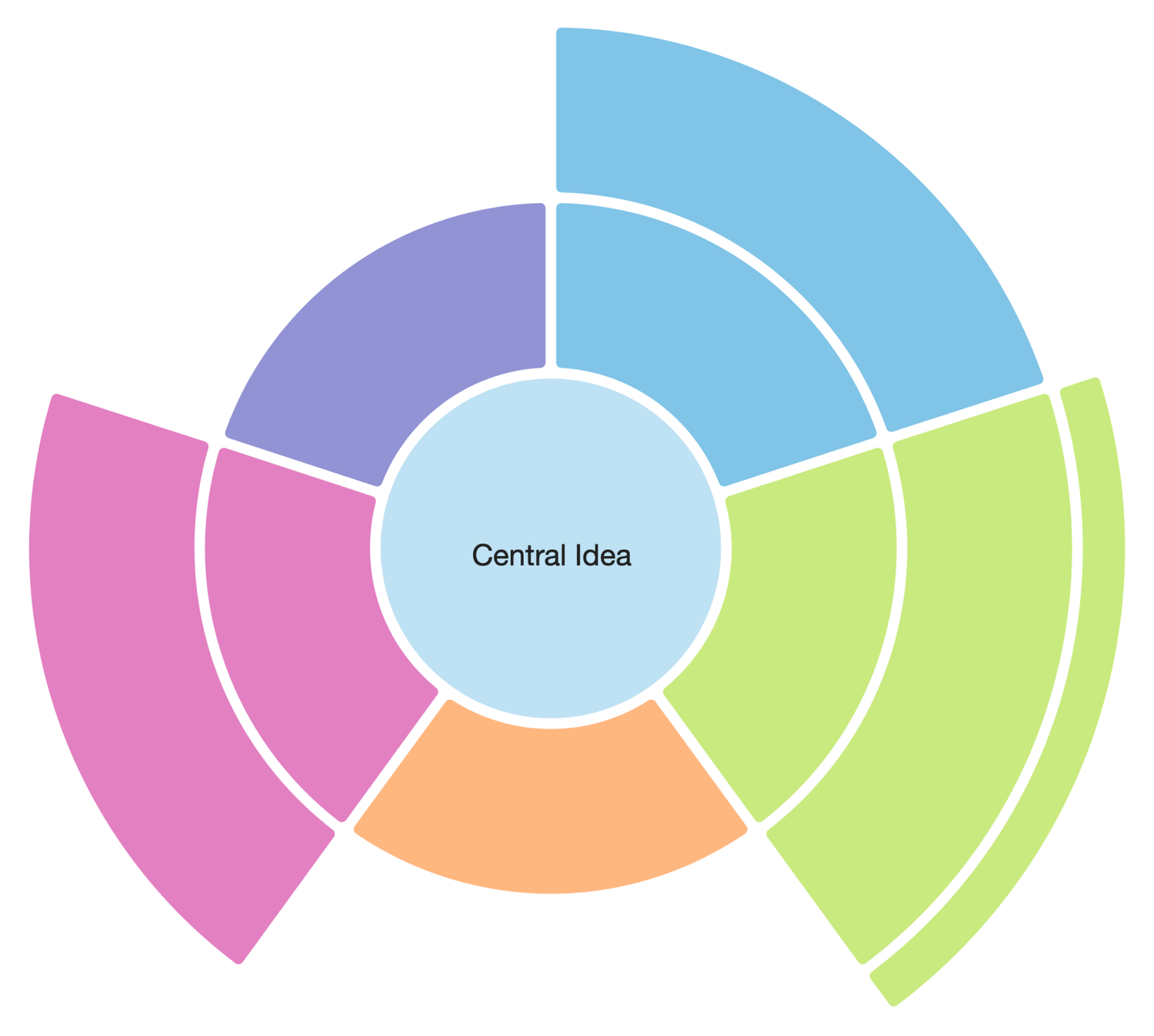
Different tasks require different types of Mind Maps—using the same format for everything limits your effectiveness.
How to Fix It:
✅ Use radial maps for brainstorming
✅ Try timeline-style maps for planning projects
✅ Use comparison-style maps for decision-making
Mistake #9: Not Practicing Under Time Constraints ⏳

If you’re using Mind Maps for work, study, or competition, you need to be fast and effective.
Many people spend too long making their maps “perfect” instead of practicing efficiency.
How to Fix It:
✅ Set a 10-minute timer and challenge yourself to create a complete map
✅ Focus on speed first, then refine later
✅ Train your brain to think in keywords and visuals quickly
Mistake #10: Thinking Mind Mapping is Just for Study 🎓

Many people think Mind Mapping is just for students and note-taking—but it’s an incredible tool for business, problem-solving, and creativity.
How to Fix It:
✅ Use Mind Maps for goal setting, strategic planning, and brainstorming
✅ Try using them for writing projects, content planning, or workflow design
✅ Experiment with different applications beyond study
Wrapping It Up

If you’ve been making these Mind Mapping mistakes, it’s not your fault—there’s a lot of misinformation out there!
But now that you’re aware of them, you can start making simple changes that will dramatically improve your Mind Mapping skills.
Quick Recap:
❌ Too many words—stick to keywords
❌ Cluttered layouts—keep it structured
❌ No central image—activate your visual memory
❌ Wrong colour use—organise your ideas logically
❌ Bad branch structure—make your map easy to follow
❌ No images or symbols—engage your brain visually
❌ Not reviewing—Mind Maps should evolve
❌ Same style for everything—adapt your Mind Maps to the task
❌ Too slow—practice under time pressure
❌ Thinking it’s just for study—Mind Maps work for business, creativity, and problem-solving too!
Want to Level Up Your Mind Mapping Skills?
🎉 Join The Million Mind Map Newsletter today for your weekly round-up of expert tips and be the first to hear all the latest from Mind Mapping Expert HQ.
👉 Subscribe to our FREE Newsletter
📢 Which of these mistakes have you made before? Let me know in the comments! 👇

Categories

THE PROJECT
(2)

MIND MAPPING
(2)

JOIN IN
(2)

Latest Posts

About me

Hi there 👋 My name is Elaine Colliar, 5 Times World Mind Mapping Champion and your Mentor in Mind Mapping!

Ready to Think Smarter? Join Our Free Mind Mapping Community!
Learn directly from TWO World Champions in Mind Mapping, get exclusive resources, and connect with like-minded thinkers who are transforming their productivity, careers, and creativity.

Get Smarter, One Weekly Idea at a Time
We simplify all our Mind Mapping news for you. Get the week's best insights, tips and news—all curated and delivered in one weekly digest. Organise your thinking, unlock creativity, and achieve more with less effort.
© 2025 The Mind Mapping Expert Ltd