


From Plot Twists to Poetry—Mind Map Your Way Through Lit Like a Pro.
Literary Overwhelm? Let’s Make It Visual!

Whether you’re tackling War and Peace, decoding Shakespeare, or trying to write an essay that actually makes sense, literature can feel like a tangled mess of themes, characters, and symbolism.
Ever found yourself staring at your notes, struggling to connect the dots between a novel’s plot, character arcs, and overarching themes?
Enter hand-drawn Mind Mapping—a creative, brain-friendly way to visualise literature, connect ideas, and make even the most complex works feel crystal clear.
Let’s explore some expert secrets on how Mind Mapping can turn literary chaos into organised brilliance.
📖 Secret #1: Turn Any Book into a One-Page Masterpiece
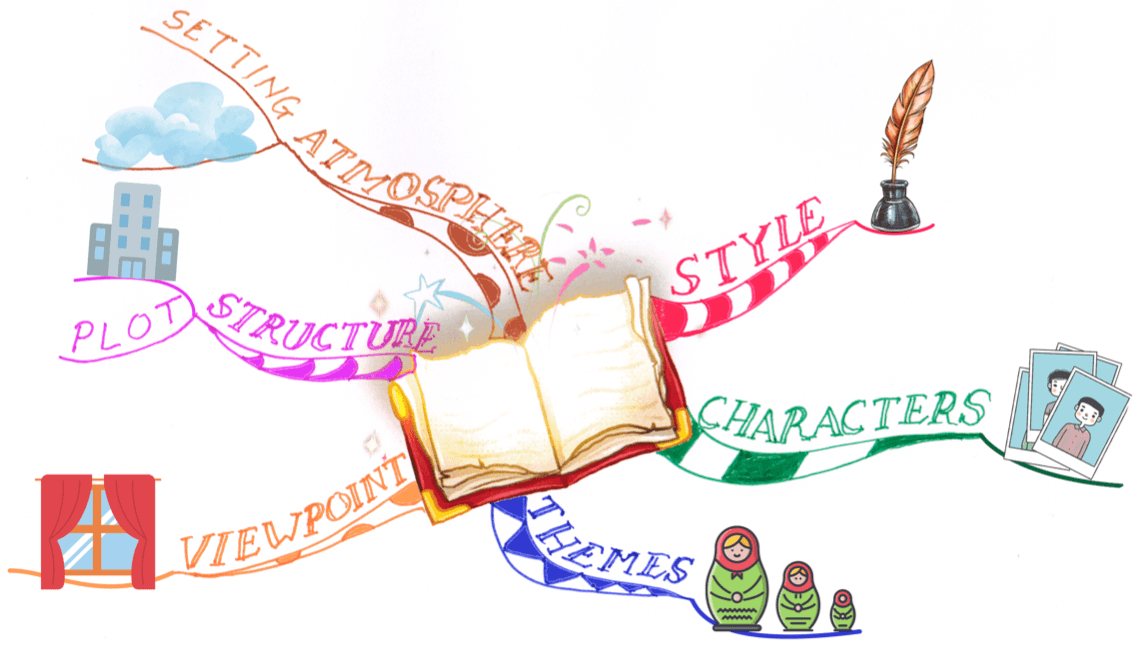
The secret to understanding any book, play, or poem? Seeing how everything connects.
That’s where Mind Mapping shines.
How to Create a Mind Map for a Novel or Play
1️⃣ Start with a Central Image – Instead of just writing the book’s title, draw a simple image that represents the story—for Hamlet, maybe a skull; for Pride and Prejudice, a heart and a letter. Images stick in your brain better than words alone!
2️⃣ Main Branches: The Big Themes – Draw out key ideas as primary branches:
Characters (each with their own sub-branches)
Plot (major events in chronological order)
Themes (e.g., revenge, love, power)
Symbols & Motifs (e.g., the green light in The Great Gatsby)
3️⃣ Add Colour to Categorise Information – Assign one colour per branch so your brain instantly recognises different elements of the book.
4️⃣ Use Arrows to Show Connections – Draw arrows between characters and themes, symbols and events, showing how ideas interlink.
🔥 Why This Works: Instead of drowning in notes, you have an entire book mapped out on one page, making studying and revision a breeze.
🧐 Secret #2: Break Down Complex Characters Like a Detective
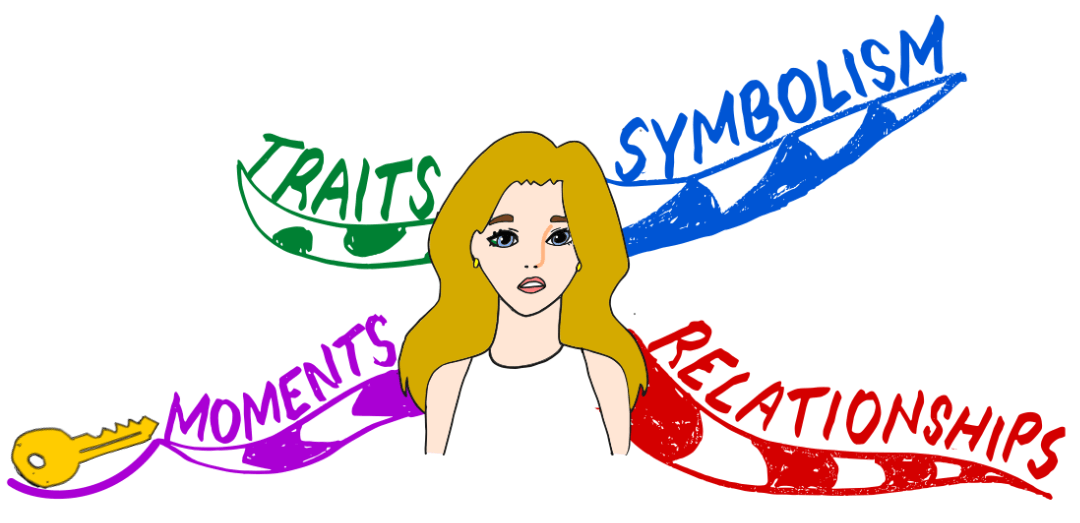
Great literature is full of complex, layered characters—but keeping track of who’s who, their motivations, and how they change over time can feel like a mental juggling act.
Mind Maps give you an easy way to analyse characters at a glance.
How to Mind Map a Character Study
1️⃣ Central Image = The Character – Draw a simple visual of the character (or just their name in bold).
2️⃣ Main Branches:
Traits (what defines them?)
Relationships (who influences them?)
Key Moments (what changes them?)
Symbolism (any objects or motifs linked to them?)
3️⃣ Use Mind Maps to Compare Characters – Want to compare Mr Darcy and Wickham? Or Lady Macbeth and Macbeth himself? Draw two character maps side by side to instantly see the contrasts.
🎯 Example:
If you’re studying Of Mice and Men, you could map out George’s and Lennie’s relationship—showing how they depend on each other, their dreams, and how tragedy strikes.
🔥 Why This Works: A character’s journey isn’t just a list of adjectives—it’s a dynamic process. Mind Maps let you track their evolution visually.
📜 Secret #3: Crack Poetry & Symbolism Like a Code
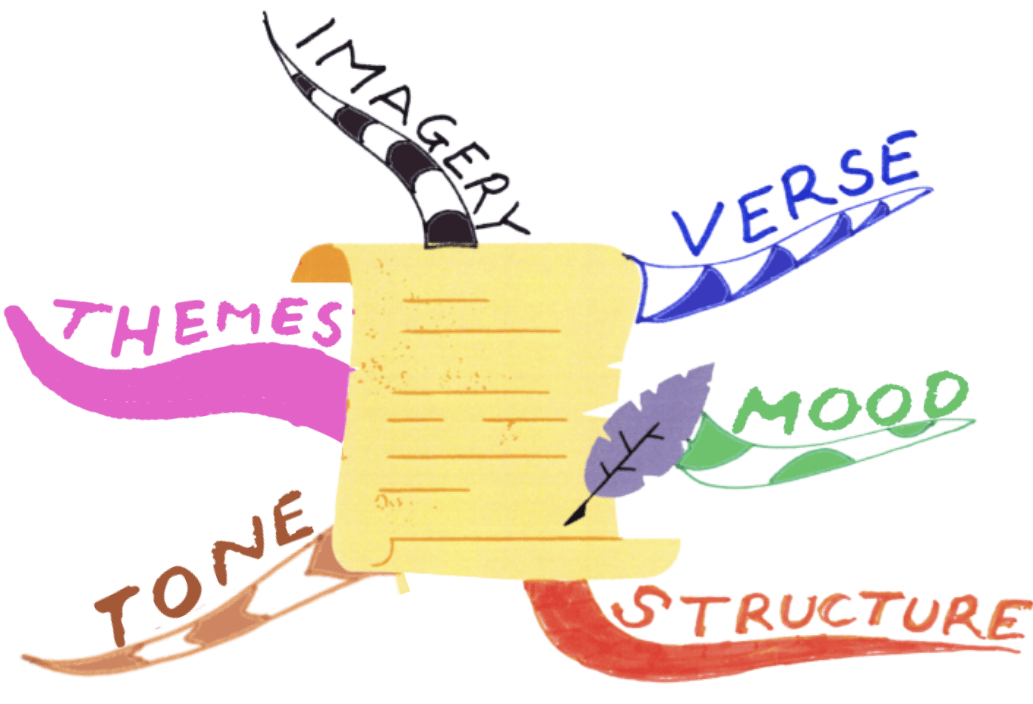
Ever read a poem and thought, “What on earth does this mean?”
Poetry is packed with hidden meanings, metaphors, and layers of interpretation—but Mind Mapping helps untangle it all.
How to Analyse a Poem with a Mind Map
1️⃣ Start with the Title – Write the poem’s name in the centre and draw an image that captures its mood (a rose for love, a storm for conflict, etc.).
2️⃣ Main Branches:
Themes – What is the poem really about?
Structure – Rhyme scheme, stanzas, rhythm.
Imagery & Symbols – What visuals stand out?
Tone & Mood – Hopeful? Dark? Satirical?
3️⃣ Use Arrows to Connect Poetic Devices – Draw lines linking alliteration, metaphors, personification to their effects on the reader.
🎯 Example:
For The Raven by Edgar Allan Poe, your Mind Map could show:
Themes: Grief, loss, madness.
Symbols: The raven (death), the bust of Pallas (wisdom vs. insanity).
Mood: Dark, eerie, foreboding.
🔥 Why This Works: A poem isn’t just words—it’s a puzzle, and a Mind Map lets you see how all the pieces fit together.
✍️ Secret #4: Supercharge Essay Writing with Mind Maps

Struggling to plan an essay? Nothing’s worse than staring at a blank page, unsure where to start.
Luckily, Mind Mapping makes essay planning faster, easier, and way more fun.
How to Use a Mind Map to Plan a Literary Essay
1️⃣ Central Idea = Your Essay Topic – Write your thesis or argument in the centre.
2️⃣ Main Branches = Paragraphs – Each branch represents one argument or point of analysis.
3️⃣ Sub-Branches = Evidence & Quotes – List supporting examples from the text under each point.
4️⃣ Use Arrows to Connect Arguments – Show how one idea builds on another for a stronger essay flow.
🎯 Example:
Writing an essay on Macbeth’s downfall? Your Mind Map might have:
Main Theme: Ambition vs. Fate.
Supporting Points:Influence of the Witches (quotes + analysis). Lady Macbeth’s role (evidence from Act 1 vs. Act 5). Macbeth’s own flaws (how his choices drive his downfall).
🔥 Why This Works: With a Mind Map, your entire essay is structured before you even start writing. No more writer’s block!
📚 Final Thoughts: Why Mind Mapping is a Literary Superpower
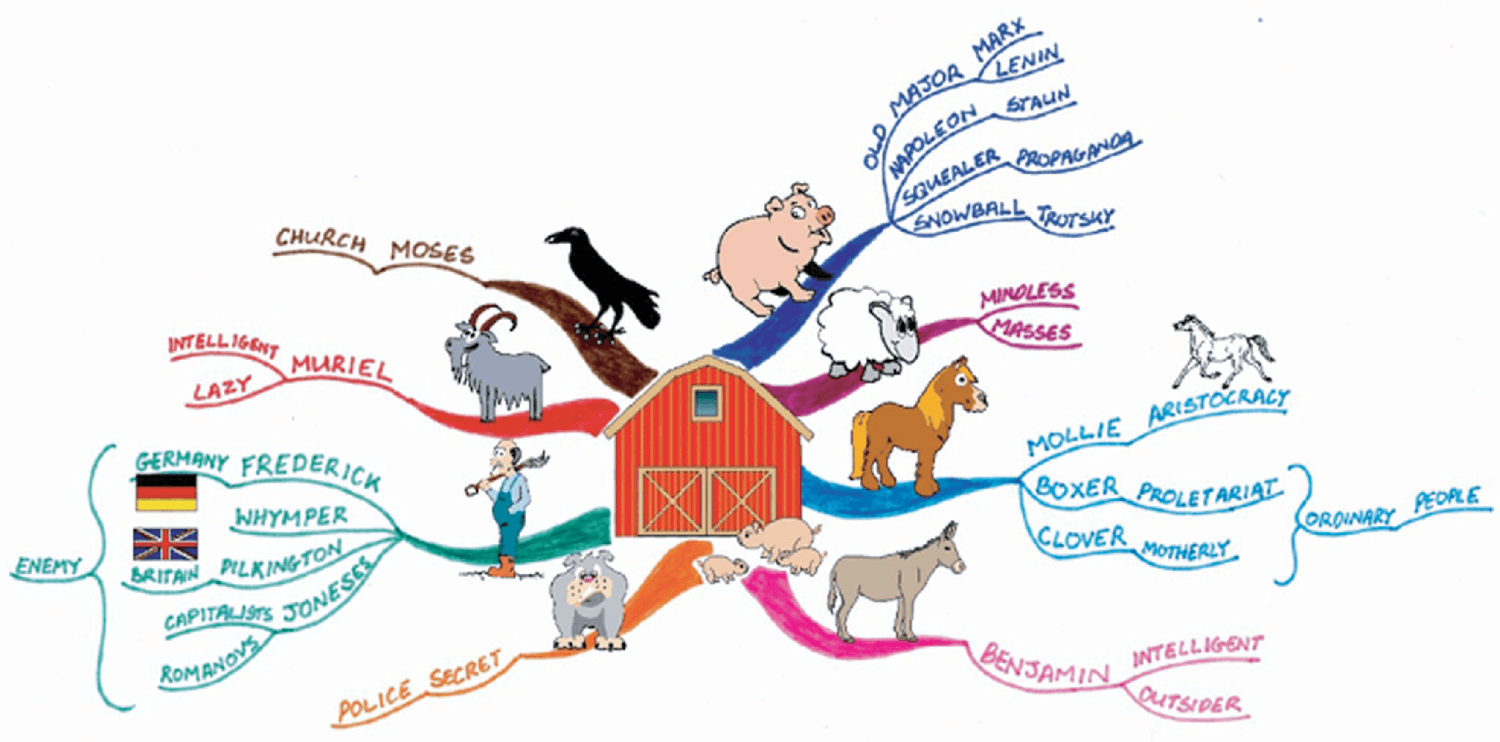
Let’s recap why Mind Mapping is the secret weapon for understanding literature:
✔ Breaks down complex plots, themes, and characters into easy-to-follow visuals.
✔ Simplifies essay writing and revision.
✔ Boosts memory by linking ideas with images.
✔ Makes poetry and symbolism easier to analyse.
✔ Helps you compare and contrast ideas effortlessly.
Whether you’re a student, a writer, or just a book lover who wants to understand stories on a deeper level, Mind Mapping is your literary secret weapon.
📢 Ready to Master Literature with Mind Mapping?
Use hand-drawn Mind Maps to decode literature, boost creativity, and make learning unforgettable.
🎉 Join The Million Mind Map Newsletter today for your weekly round-up of expert tips and be the first to hear all the latest from Mind Mapping Expert HQ.
👉 Sign up to the Newsletter for free!
Now grab your pens, crack open that book, and start mapping your literary journey! 📚✨

Categories

THE PROJECT
(2)

MIND MAPPING
(2)

JOIN IN
(2)

Latest Posts

About me

Hi there 👋 My name is Elaine Colliar, 5 Times World Mind Mapping Champion and your Mentor in Mind Mapping!

Ready to Think Smarter? Join Our Free Mind Mapping Community!
Learn directly from TWO World Champions in Mind Mapping, get exclusive resources, and connect with like-minded thinkers who are transforming their productivity, careers, and creativity.

Get Smarter, One Weekly Idea at a Time
We simplify all our Mind Mapping news for you. Get the week's best insights, tips and news—all curated and delivered in one weekly digest. Organise your thinking, unlock creativity, and achieve more with less effort.
© 2025 The Mind Mapping Expert Ltd