


Mind Mapping: What it is, Tips, Tools, How to do it .
Introduction

I don’t think I need to tell you there’s a lot that goes into Mind Mapping.
You have to understand the core principles.
Then there’s choosing the right tools.
And you have to apply the technique correctly while ensuring it actually improves your thinking, creativity, and productivity.
It’s enough to make you want to say, “This is too much!” 🚀
But here’s the thing:
When you really nail it, Mind Mapping can become your go-to tool for organising thoughts, enhancing memory, problem-solving, and unlocking creativity.
And I’m about to give you a blueprint for success.
In this Mind Mapping guide, I’ll be answering:
✅ What is Mind Mapping?
✅ How does it work?
✅ What tools should you use?
✅ How do you create a powerful Mind Map step by step?
I’ve spent years mastering Mind Mapping and teaching it to thousands of people—so you’re getting insights from someone who has seen what works and what doesn’t.
1. What Is Mind Mapping?

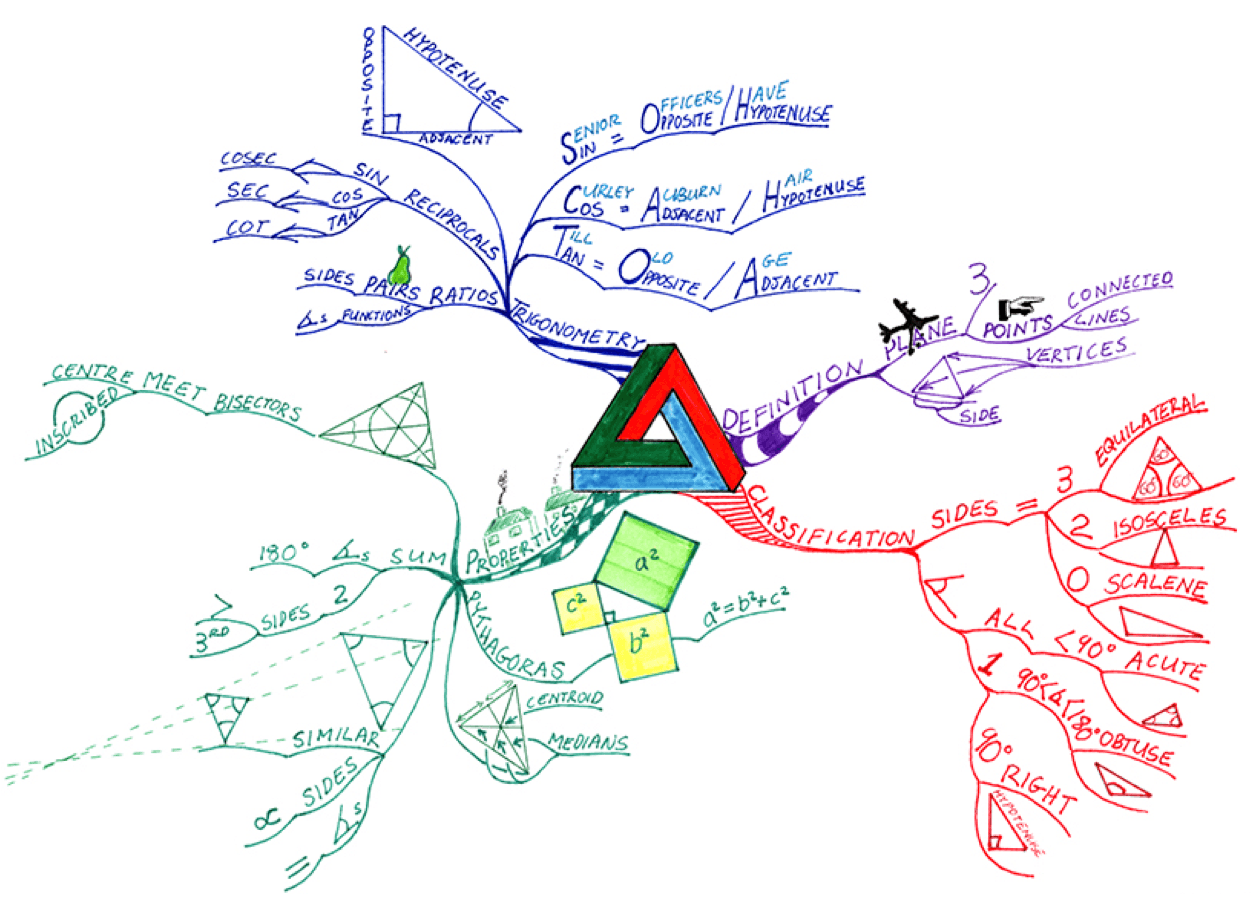
A Mind Map is a visual representation of information. It helps structure thoughts, ideas, and concepts in a non-linear way, allowing your brain to see connections and generate ideas more effectively.
Think of it as a map for your mind. 🧠
At its core, a Mind Map consists of:
✅ A central idea (the topic you’re exploring)
✅ Main branches (key subtopics related to the main idea)
✅ Sub-branches (supporting details or connections)
✅ Colours, images, and keywords to trigger memory and enhance creativity
Why Use Mind Mapping?
🔹 Boosts creativity and problem-solving
🔹 Helps you retain and recall information faster
🔹 Improves organisation and productivity
🔹 Makes complex ideas easier to understand
2. What Are the Best Mind Mapping Tools?

Hand-Drawn Mind Maps (Recommended for Memory & Creativity)
✔ Pen and Paper – Great for engaging the brain fully
✔ Notebooks / Whiteboards – Ideal for brainstorming and structuring ideas visually
✔ Coloured Pens & Markers – Enhance recall and categorisation
Digital Mind Mapping Tools (Good for Collaboration & Flexibility)
✔ XMind – A powerful digital tool for structured Mind Mapping
✔ SimpleMind – A user-friendly tool with drag-and-drop features
✔ iMindMap – Developed by Tony Buzan, the father of Mind Mapping
🖊 Which is better? If you’re looking for better long-term memory and creativity, hand-drawn Mind Maps win every time. Digital tools are useful for team collaboration and organisation.
📌 Related Post: Digital vs Hand-Drawn Mind Maps—Which One Works Best?
3. How to Create a Powerful Mind Map (Step by Step)
Step 1: Start with a Strong Central Image or Word
🔹 Choose a clear, engaging central theme
🔹 If possible, draw an image instead of just writing a word
🔹 Example: If your topic is “Business Growth,” draw a growing tree instead of just writing the words

Step 2: Add Main Branches for Key Ideas

🔹 Think of big categories related to your topic
🔹 Example: If your central topic is “Marketing Strategy”, your main branches might be:
Social Media
Content Marketing
SEO
Email Marketing
Step 3: Expand with Sub-Branches

🔹 Under each key branch, add supporting ideas
🔹 Keep it short and to the point—use keywords, not full sentences
🔹 Example: Under "Social Media," sub-branches might be: Instagram, YouTube, LinkedIn
Step 4: Use Colours & Images

🔹 Colours trigger memory—use different colours for different categories
🔹 Add icons, doodles, and small drawings to make the map more engaging
🔹 The more visual your Mind Map, the stronger your memory recall
Step 5: Keep It Flexible & Keep Expanding

🔹 Don’t overthink it—Mind Maps are meant to grow and evolve
🔹 If new ideas come up later, just add them in
4. How Can You Use Mind Maps in Daily Life & Business?
Now that you know how to create a Mind Map, how do you actually use them in real life?
✅ For Business & Productivity:

Brainstorm new ideas
Plan projects, presentations, and strategies
Solve complex problems visually
Organise daily tasks & to-do lists
✅ For Learning & Memory:
Summarise books, lectures, and notes
Prepare for exams & presentations
Enhance language learning & new skills
✅ For Creativity & Personal Development:

Develop new habits & goals
Plan your life vision & personal growth
Organise thoughts for journaling & storytelling
📌 Related Post: How to Use Mind Maps for Productivity & Planning
5. How Long Does It Take to Master Mind Mapping?

📌 You can start using Mind Maps immediately, but true mastery comes with practice.
🔹 Beginner:Try one Mind Map per day—keep it simple!
🔹 Intermediate:Use it for projects, studying, or goal setting
🔹 Advanced:Create Mind Maps instinctively for problem-solving & creative thinking
🕒 Within a few weeks, you’ll notice faster thinking, improved recall, and better organisation!
6. What Are the Most Common Mistakes People Make?

🚫 Overloading the Map with Too Many Words
🚫 Not Using Colours or Images
🚫 Forgetting to Expand and Update the Map
🚫 Using Long Sentences Instead of Keywords
Quick Recap: Everything You Need to Know About Mind Mapping

✅ Mind Mapping helps organise thoughts, improve memory, and boost creativity
✅ Hand-drawn Mind Maps outperform digital tools for long-term recall
✅ Use colours, keywords, and images to make your maps more effective
✅ You can use Mind Maps for business, learning, creativity, and productivity
✅ Practice daily to master the technique!
🚀 Want to start Mind Mapping like a pro?
📌 Related Articles to Explore Next:
🔹 The Science Behind Mind Mapping: Why It Works
🔹 How to Use Mind Maps for Business Strategy
🔹 Mind Mapping for Learning & Exams: A Step-by-Step Guide
🎉 Join The Million Mind Map Newsletter today for your weekly round-up of expert tips and be the first to hear all the latest from Mind Mapping Expert HQ.
🔔 Got questions? Drop them in the comments below—I’d love to hear how you use Mind Maps! 🧠

Categories

THE PROJECT
(2)

MIND MAPPING
(2)

JOIN IN
(2)

Latest Posts

About me

Hi there 👋 My name is Elaine Colliar, 5 Times World Mind Mapping Champion and your Mentor in Mind Mapping!

Ready to Think Smarter? Join Our Free Mind Mapping Community!
Learn directly from TWO World Champions in Mind Mapping, get exclusive resources, and connect with like-minded thinkers who are transforming their productivity, careers, and creativity.

Get Smarter, One Weekly Idea at a Time
We simplify all our Mind Mapping news for you. Get the week's best insights, tips and news—all curated and delivered in one weekly digest. Organise your thinking, unlock creativity, and achieve more with less effort.
© 2025 The Mind Mapping Expert Ltd